

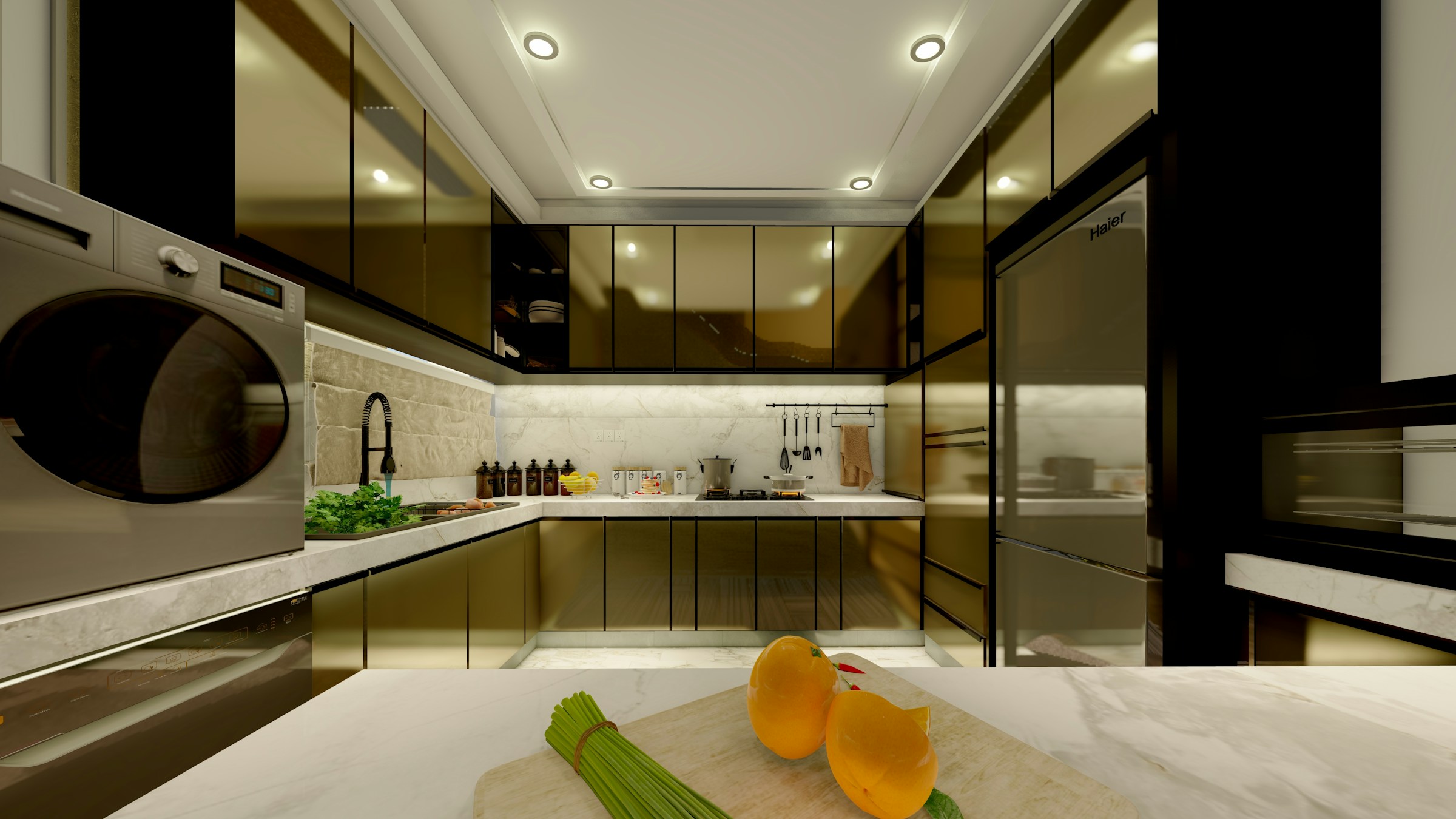
Quartzite countertops look effortless once installed—but getting from a massive raw stone slab to a perfectly fitted countertop is also a highly technical, skill-driven process. Because quartzite is one of the hardest natural stones available, cutting and fabricating it requires specialized equipment, expert craftsmanship, and careful planning.
Here’s a behind-the-scenes look at how quartzite is cut and fabricated, step by step.
Step 1: Quarrying the Quartzite Slab
Everything starts at the quarry.
Quarries extract quartzite in massive stone blocks, often weighing tens of thousands of pounds, and transport them to processing facilities where workers slice them into slabs.
At this stage:
-
Blocks are inspected for cracks and structural integrity
-
Large saws cut them into slab thicknesses (typically 2 cm or 3 cm)
-
Slabs are polished or honed on one side
Each slab is completely unique—no two have the same veining or color.
Step 2: Slab Inspection & Selection
Before fabrication begins, fabricators carefully inspect each slab.
They look for:
-
Natural fissures (common in quartzite)
-
Mineral deposits
-
Color consistency
-
Vein direction and movement
-
Areas to avoid for cutouts
This step determines how the slab will be laid out to ensure both beauty and strength.
Step 3: Templating Your Space
Once the slab is chosen, the fabricator creates a precise template of your countertops.
This includes:
-
Exact dimensions
-
Sink and cooktop cutouts
-
Faucet holes
-
Edge profiles
-
Seam locations
Also modern shops use digital laser templating systems to capture measurements down to millimeters. Accuracy is critical—quartzite is extremely difficult to adjust once cut.
Step 4: Layout Planning on the Slab
Before any cutting happens, the template is placed over the slab digitally or physically.
This allows the fabricator to:
-
Align veining for best visual flow
-
Plan waterfall edges
-
Position seams discreetly
-
Avoid weak areas or fissures
This is where craftsmanship really shows—poor layout planning can ruin even the most beautiful slab.
Step 5: Cutting the Quartzite
Fabricators cut quartzite using diamond-bladed saws and also CNC machines designed for ultra-hard stone.
Because quartzite ranks 7–8 on the Mohs hardness scale, standard tools won’t work.
During cutting:
-
The slab is kept wet to control heat and dust
-
Cuts are made slowly to prevent fractures
-
Reinforcement rods may be added around sink areas
This stage requires patience—rushing quartzite can cause cracking or chipping.
Step 6: Creating Cutouts & Reinforcements
Sink and cooktop openings are the most vulnerable areas of a quartzite countertop.
To protect them, fabricators:
-
Use specialized drilling and cutting techniques
-
Add steel or fiberglass reinforcement rods
-
Polish interior edges carefully
This reinforcement ensures long-term durability and prevents stress fractures.
Step 7: Shaping the Edge Profile
Next comes edge detailing.
Popular quartzite edge profiles include:
-
Eased
-
Beveled
-
Bullnose
-
Half-bullnose
-
Mitered edges (for thicker waterfall looks)
Edges are also shaped using diamond tooling and polished to match the surface finish. This step is both technical and aesthetic—edges reveal the quality of fabrication instantly.
Step 8: Polishing or Finishing the Surface
Fabricators polish and finish unfinished slabs and match the edges.
Common finishes:
-
Polished – glossy, reflective
-
Honed – smooth, matte
-
Leathered – textured, natural feel
Each finish changes how the quartzite looks, feels, and reflects light.
Step 9: Dry Fit & Quality Control
Before delivery, many shops perform a dry fit in the fabrication facility.
This ensures:
-
Seams align properly
-
Pieces fit together cleanly
-
Edge profiles match
-
Cutouts are accurate
Any issues are corrected before the stone ever leaves the shop.
Step 10: Sealing & Prep for Installation
Most fabricators apply an initial penetrating sealer before installation.
Sealing:
-
Reduces water absorption
-
Protects against staining
-
Enhances longevity
After sealing, the stone is carefully crated and prepared for transport.
Why Quartzite Fabrication Requires Experts
Quartzite is beautiful—but unforgiving.
Its hardness means:
-
Cutting mistakes are costly
-
Repairs are difficult
-
Fabrication quality matters more than with softer stones
An experienced fabricator makes the difference between a countertop that lasts decades and one that develops issues early.
Final Takeaway – How Quartzite Is Cut and Fabricated (Behind the Scenes)
Quartzite fabrication is a blend of:
-
Advanced technology
-
Skilled craftsmanship
-
Careful planning
-
Attention to detail
From quarry to countertop, every step plays a role in the final result. When done correctly, quartzite becomes a stunning, durable centerpiece that performs beautifully for years.