

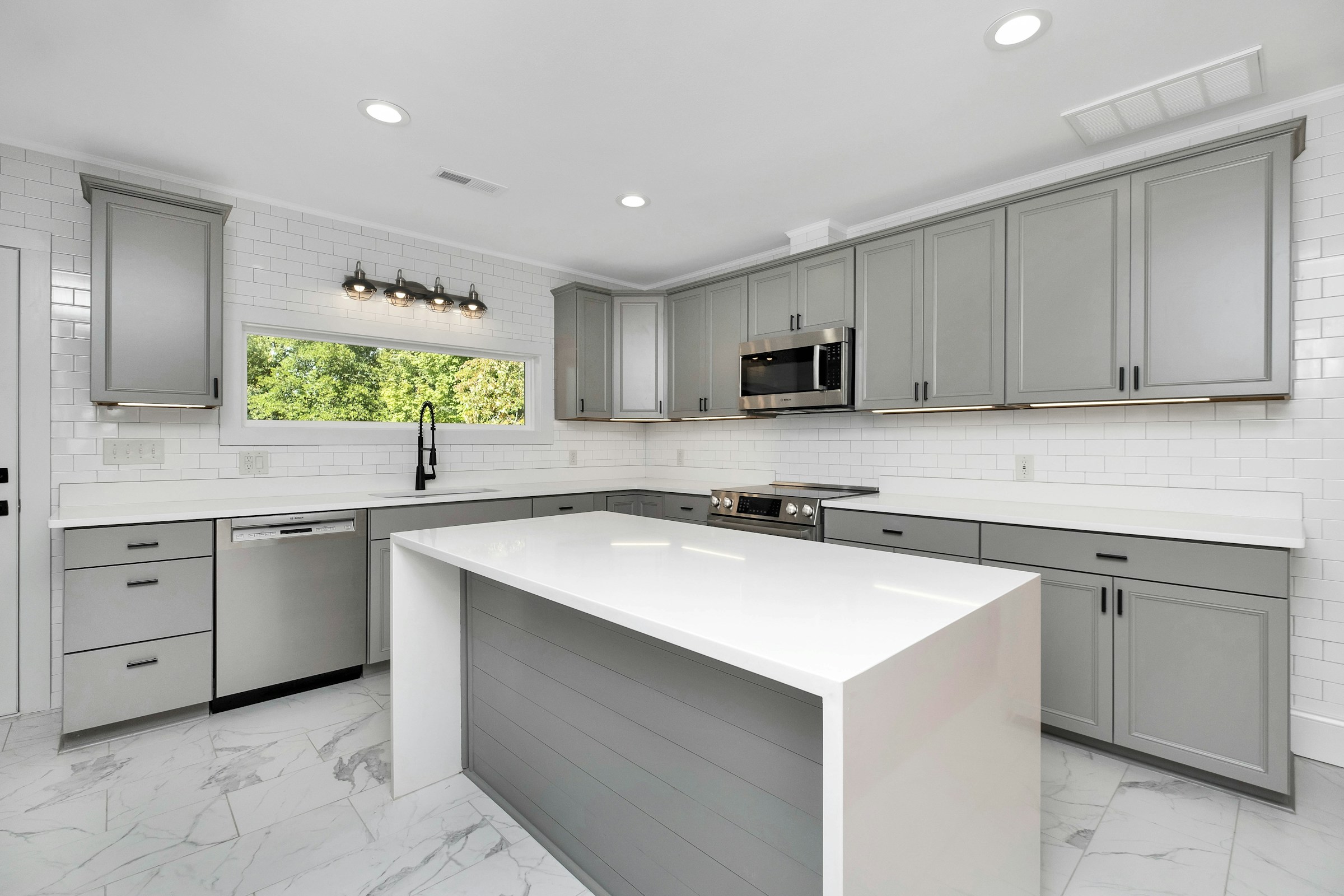
When choosing a natural stone for countertops, many homeowners focus on how it looks on installation day—but what really matters is how it looks 5, 10, or even 20 years later. Some stones show wear quickly, while others develop issues that require constant maintenance.
Quartzite stands out because it ages exceptionally well compared to many other natural stones. Here’s why quartzite maintains its beauty, strength, and value long after installation.
1️⃣ Exceptional Hardness Means Less Wear Over Time
Quartzite ranks 7–8 on the Mohs hardness scale, making it harder than granite and significantly harder than marble or limestone.
Because of this:
-
Scratches are rare
-
Micro-abrasions accumulate much more slowly
-
The surface maintains its finish longer
Softer stones gradually lose their polish and show traffic patterns—quartzite resists that kind of visible aging.
2️⃣ Better Resistance to Everyday Damage
Daily life puts countertops through a lot:
-
Sliding cookware
-
Dropped utensils
-
Kids’ activities
-
Cleaning routines
Quartzite’s dense structure allows it to withstand this constant use with minimal visible impact, while softer stones often show dull spots, scratches, or chips over time.
3️⃣ Less Etching Compared to Marble and Limestone
Etching—those dull, chalky marks caused by acids—is one of the biggest reasons natural stone looks worn prematurely.
-
Marble etches easily
-
Limestone etches even faster
-
Quartzite is far more resistant
While quartzite isn’t completely immune, it handles acidic exposure much better, helping it retain a consistent appearance as the years go on.
4️⃣ Stable Color That Doesn’t Yellow or Fade
Quartzite is naturally UV-stable and mineral-based, which means:
-
No yellowing from sunlight
-
No fading from indoor or outdoor exposure
-
No resin breakdown like engineered surfaces
This makes quartzite especially well-suited for:
-
Sun-filled kitchens
-
Outdoor kitchens
-
Fireplace surrounds
Its color remains true decade after decade.
5️⃣ Sealing Protects Without Constant Refinishing
Quartzite does require sealing—but sealing preserves, rather than masks, the stone’s surface.
With proper sealing:
-
Liquids bead instead of absorbing
-
Temporary darkening dries evenly
-
Stains are easier to prevent and remove
Unlike marble, quartzite rarely needs repeated professional polishing to look good over time.
6️⃣ Edges Hold Up Better Over the Years
Edges are often the first area to show age.
Quartzite’s strength helps:
-
Reduce edge chipping
-
Maintain crisp profiles
-
Preserve waterfall and mitered edges
With proper fabrication, quartzite edges stay clean and intact far longer than those made from softer stones.
7️⃣ Natural Patina Without “Worn-Out” Appearance
Some stones develop patina in a charming way—but others simply look damaged.
Quartzite tends to:
-
Maintain a consistent finish
-
Develop subtle character rather than visible wear
-
Avoid blotchy or uneven aging
It ages gracefully without looking tired or neglected.
Quartzite vs Other Stones: Aging Comparison
| Material | How It Ages Over Time |
|---|---|
| Quartzite | ⭐⭐⭐⭐⭐ Holds polish, resists wear |
| Granite | ⭐⭐⭐⭐ Durable but can dull unevenly |
| Marble | ⭐⭐ Scratches & etches quickly |
| Limestone | ⭐ Poor durability, heavy wear |
| Quartz (engineered) | ⭐⭐⭐ Can discolor or scorch |
Quartzite consistently ranks among the longest-lasting natural stones.
Who Benefits Most From Quartzite’s Longevity?
Quartzite is ideal for:
-
Busy kitchens
-
Families with kids
-
Homes with lots of natural light
-
Long-term homeowners
-
High-end remodels focused on resale value
If you want a stone that still looks premium years later, quartzite delivers.
Final Takeaway – Why Quartzite Ages Better Than Other Stones
Quartzite ages better than other stones because it combines:
-
Superior hardness
-
Strong resistance to scratches and etching
-
Color stability
-
Minimal long-term maintenance
Instead of showing wear, quartzite maintains its beauty and performance—making it one of the smartest long-term investments in natural stone.
If you want a countertop that looks just as good years from now as it does today, quartzite is hard to beat.