

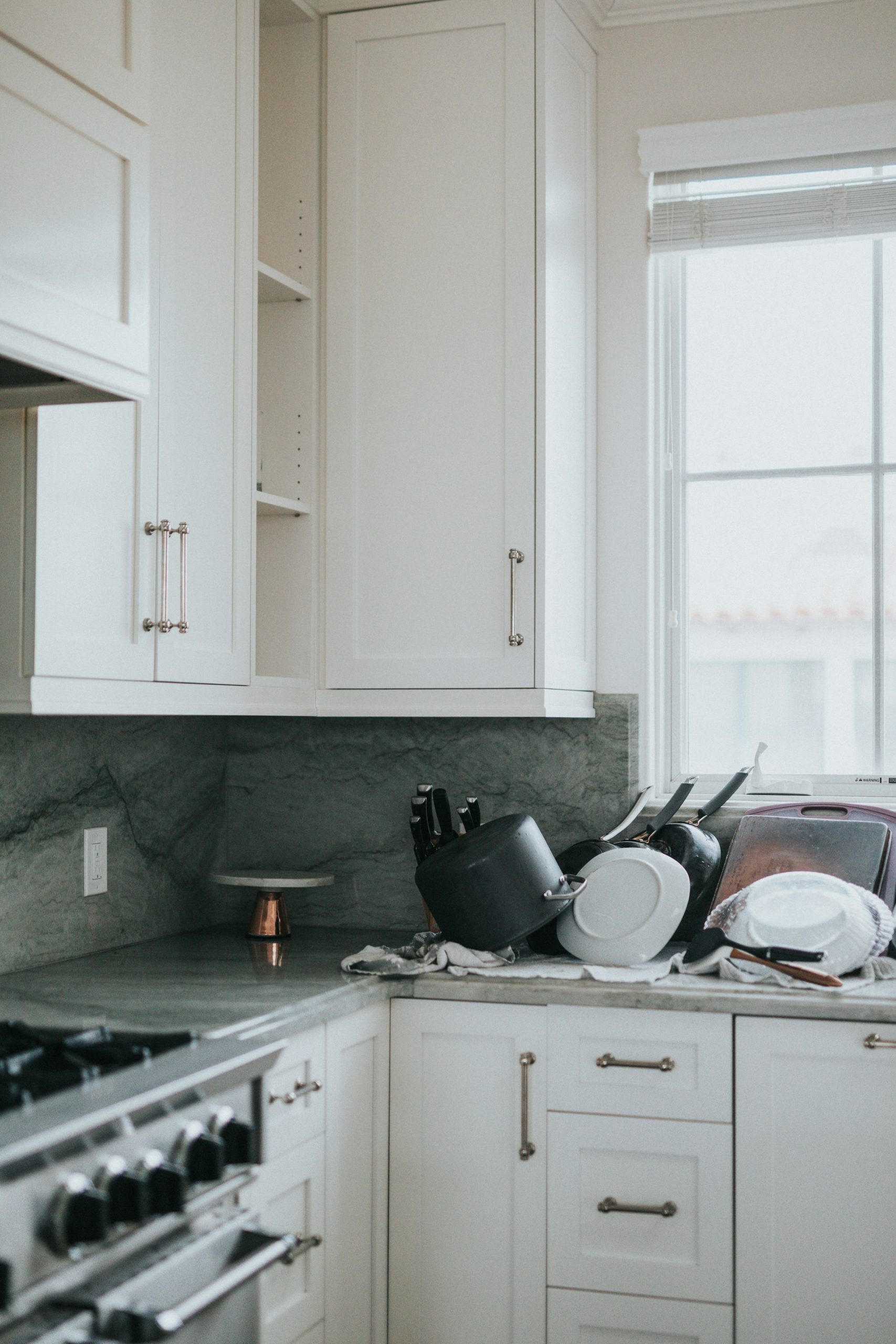
Quartzite is one of the most durable natural stones available—but its long-term performance isn’t automatic. Two homes can install the same quartzite slab and see very different results years later. The difference usually isn’t the stone. It’s maintenance habits.
Quartzite doesn’t require excessive care, but it does respond directly to how it’s treated. Here’s how everyday habits impact how quartzite looks, performs, and ages over time.
Daily Cleaning Habits Shape Long-Term Appearance
Quartzite holds up well to routine use, but cleaning choices matter.
Healthy habits include:
-
Wiping surfaces with a soft cloth or sponge
-
Using pH-neutral stone cleaners or mild soap
-
Drying the surface after heavy water exposure
Problematic habits—like using acidic, abrasive, or degreasing cleaners—slowly break down sealer and dull the finish. These effects build gradually and often go unnoticed until the stone looks uneven or worn.
How Quickly You Clean Spills Matters
Quartzite resists staining better than many natural stones, but it isn’t stain-proof.
When spills are wiped promptly:
-
Liquids don’t have time to absorb
-
Water darkening remains temporary
-
The surface stays consistent
When spills—especially oils, wine, coffee, or cosmetics—are left sitting, absorption risk increases, even on sealed stone.
Sealing Habits Directly Affect Performance
Sealing is one of the most important maintenance habits for quartzite.
Good sealing habits:
-
Reseal when water stops beading
-
Use the appropriate sealer for the stone
-
Ensure even coverage across the surface
Neglecting sealing leads to:
-
Increased moisture absorption
-
Blotchy or uneven appearance
-
Higher likelihood of staining
Homes that maintain sealing consistently experience far fewer issues over time.
Cleaning Products Can Help or Hurt
Many everyday household cleaners are not stone-safe.
Products that cause long-term problems include:
-
Vinegar or citrus-based cleaners
-
Bleach or ammonia
-
Degreasers
-
Abrasive pads or powders
These don’t damage quartzite immediately—but they degrade the sealer, leaving the stone more vulnerable over time.
Water Exposure Patterns Influence How Quartzite Looks
Quartzite may temporarily darken when wet. This is normal.
Homes that:
-
Wipe counters dry regularly
-
Avoid constant standing water
-
Maintain proper sealing
see predictable drying and consistent color return. Homes with poor water habits may notice prolonged darkening or uneven appearance.
Edges and Sink Areas Need Extra Awareness
Edges and cutouts are the most stressed areas of any countertop.
Protective habits include:
-
Avoiding heavy impacts
-
Keeping standing water minimal around sinks
-
Cleaning regularly near fixtures
These habits reduce chipping risk and discoloration around high-use zones.
Good Habits Make Quartzite Easier Over Time
One of the biggest misconceptions is that quartzite is “high maintenance.”
In reality:
-
Good habits make quartzite feel low-maintenance
-
Poor habits create avoidable issues
Homeowners who develop simple routines often find quartzite gets easier to live with—not harder—as years go by.
Habit Impact Summary
| Habit | Long-Term Effect |
|---|---|
| Gentle daily cleaning | Stable, even appearance |
| Prompt spill cleanup | Minimal staining |
| Regular sealing | Predictable performance |
| Harsh cleaners | Dull finish, sealer breakdown |
| Ignored sealing | Increased absorption |
Final Takeaway – How Maintenance Habits Impact Quartzite
Quartzite responds directly to how it’s treated.
With good maintenance habits, quartzite:
✨ Stays consistent
✨ Resists wear
✨ Ages gracefully
✨ Requires predictable care
Most quartzite issues aren’t material failures—they’re habit-related. A few simple practices protect the stone and allow it to perform the way it’s meant to for decades.
Quartzite doesn’t demand perfection. It just rewards consistency.